

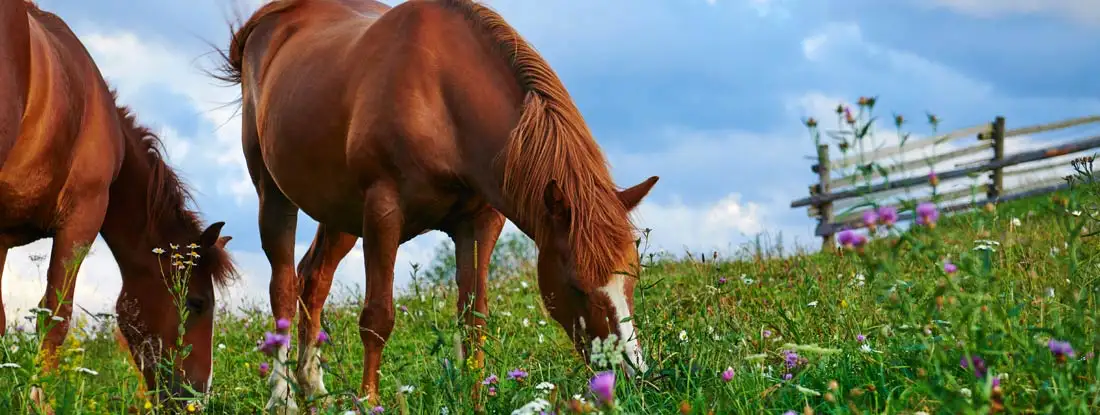
Horses serve many different purposes, from racing and other business ventures to being beloved family pets. Regardless of your horse's specific purpose, in addition to being a living animal, it’s also a valuable piece of property. That’s why it’s essential to be equipped with the right equine insurance policy to protect against losses related to many different kinds of disasters.
Luckily, an independent insurance agent can help you get set up with the proper horse insurance policy for you. They’ll evaluate your specific needs and help you get just the right amount of coverage. But until then, here’s a closer look at what equine insurance covers and why it's necessary.
What Is Equine Mortality Insurance?
Horse mortality insurance is essentially a type of life insurance policy designed specifically for horses. These policies are meant to cover the following types of horses:
- Breeding horses
- Show horses
- Race horses
- Riding horses
- Pet horses
Equine mortality insurance provides a death benefit to the horse’s owner if the animal passes away due to a covered loss. Coverage is critical since horses are so valuable and expensive to care for and replace. An independent insurance agent can help you find the right horse mortality insurance policy.
What Does Equine Mortality Insurance Cover?
Equine or horse mortality insurance covers a broad range of perils that could lead to the death of your horse. Accidents like accidental shootings and attacks by wild animals, as well as injuries, sicknesses, fire, flood loss, loading and unloading incidents, and even theft, are typically included.
Coverage also provides the following benefits:
- Major medical expenses: This covers costs if a horse requires veterinary medical care or surgery due to accidents, injury, sickness, or disease. This may also be referred to as horse health insurance.
- Surgical expenses: Equine surgeries are expensive, and this coverage reimburses surgery costs up to a certain limit after an injury, accident, or disease befalls your horse.
- Loss of use: A horse not fit for its first use as defined in the policy because of accident, injury, sickness, or death can be covered so that you don't sustain major financial losses.
- Stallion infertility: This coverage helps reimburse you if a stallion in your breeding program does not produce as planned.
Optional coverages that can be added:
- Colic surgery expense coverage: This specifically covers colic surgery expenses for your horse.
- Newly purchased horse coverage: This coverage can extend protection to a new horse you buy.
- Increased mare valuation: This raises coverage limits for a pregnant mare to include the cost of the stud fee/embryo.
An independent insurance agent can help you determine which coverages are most necessary for you to look for in an equine mortality policy.
What Is Equine Liability Insurance?
Commercial equine liability insurance is designed for those who work with horses on premises they rent or own. It's basically a specialized form of business insurance, and coverage is ideal if you offer riding lessons or boarding for horses. This coverage is also essential if you race, breed, or professionally train horses.
Horse liability insurance is also used by commercial enterprises that host horse shows or equestrian events, sell horses, rent horses for recreational activities, or provide team roping or penning practices.
Equine liability insurance covers the following:
- Bodily injury and property damage: Protects you if a third party gets injured or if their property gets damaged by you or your horse.
- Fire legal liability: Covers you if you damage third-party property as a result of a fire that you caused.
- Medical payments: Covers non-employees injured on your premises.
- Professional liability: Offers protection for unintentional errors committed by horse-related professions.
- Advertising injury: Covers your business or advertising if you injure someone else's reputation and face a lawsuit.
- Product liability and completed operations: Covers any work you do if it causes damage or injury later on and protects you against losses related to products you distribute.
An independent insurance agent can further explain the value of equine liability insurance and help you find the right policy.
Insurance Coverage for Commercial Horse Farms
While equine mortality insurance focuses on protecting owners from the tragic loss of their horses and equine liability insurance protects owners from lawsuits, horse farm insurance provides a broader range of coverage meant to protect commercial horse farms.
Horse farm insurance usually covers:
- Disruption of farming: If a barn or stable is inoperable due to an insured loss like a fire, this coverage provides reimbursement to help you continue to pay bills and keep your farm going. You can also extend coverage to insure system breakdowns for computers, equipment, or mechanical devices.
- Livestock coverage: Provides mortality coverage for other livestock you may own.
- Property damage: Protects structures on the farm from physical damage by covered perils, including certain natural disasters, vandalism, fire, and more.
- Farm equipment damage: Protects a horse farm’s equipment, like horse feeders, from physical damage, destruction, or loss by a covered peril.
- Horse trailer insurance: Protects your horse trailers against various losses, such as theft, fire damage, and more.
Equine liability insurance can typically be added to a horse farm insurance policy. Ask an independent insurance agent for more details.
How Much Does Equine Mortality Insurance Cost?
The cost of your specific equine mortality insurance will vary depending on the type and extent of the coverage you choose. In general, equine insurance premiums can range from $400 to $12,000 per year.
Some factors that may influence the cost of your horse insurance are:
- The type of coverage you buy
- The limits of coverage you buy
- The number of horses you're insuring
- Your horse's risk level
- The location of your farm
- The type of horse you have
An independent insurance agent can help you find exact quotes for horse insurance in your area.

Who Sells Equine Insurance?
Equine insurance is available from many different insurance companies, and the best way to find the right carrier for you is through working with an independent insurance agent. They know which insurance companies to recommend to meet your needs and can provide informed suggestions based on company reliability, rates, and more.
While many insurance companies could create an equine insurance policy for you, finding coverage could also depend on the area you live in. Here are a few of the top companies for equine coverage:
| Top Equine Insurance Companies | Overall Carrier Star Rating |
|---|---|
| Nationwide |

|
| The Hartford |
|
| Markel |
|
| Blue Bridle |

|
Why Work with an Independent Insurance Agent?
Independent insurance agents simplify the process by shopping and comparing insurance quotes for you. They have access to multiple insurance companies, ultimately finding you the best equine coverage, accessibility, and competitive pricing while working for you. And down the road, they'll be able to help file claims for you or update your coverage as necessary.
Sources
https://equusmagazine.com/horse-world/insure22227
https://www.irmi.com/term/insurance-definitions/animal-mortality-insurance
https://www.iii.org/publications/insuring-your-business-small-business-owners-guide-to-insurance/insurance-for-specific-businesses/farms-and-ranches
https://www.nationwide.com/business/agribusiness/farm-insurance/equine/
https://bluebridle.com/equine-insurance/?doing_wp_cron=1694717412.1677610874176025390625
https://resources.pangovet.com/insurance/how-much-is-horse-insurance/
