

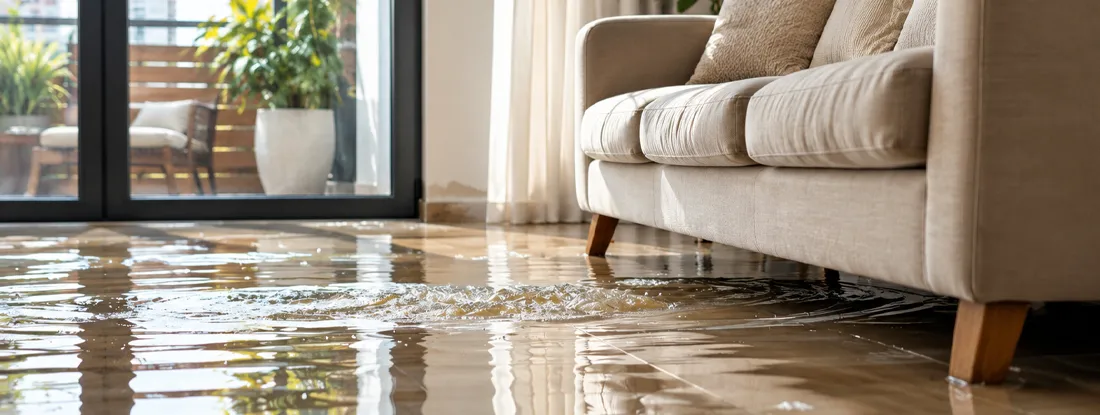
Renters insurance covers water damage caused by sudden and accidental perils, such as burst pipes. Other causes of water damage are often not covered by renters insurance. Understanding the difference between when a claim may be approved and when it will be denied can help save you time and effort.
Luckily, a local independent insurance agent can help you get set up with the right type of renters insurance. They'll also review your coverage with you extensively so you're aware of exactly what's included. But first, we'll break down the answer to, "Does renters insurance cover water damage?" and when your policy applies in 2026.
Key Takeaways - Does Renters Insurance Cover Water Damage in 2026?
Renters insurance typically covers water damage caused by sudden and accidental perils, such as burst pipes.
Renters insurance typically does not cover water damage caused by neglected maintenance or negligence by the tenant, such as an overflowed bathtub.
Renters insurance can reimburse you for damage to your personal property, loss of use, and liability after covered water damage.
Working with a local independent insurance agent is strongly recommended, as they can shop and compare renters insurance policies from multiple carriers near you to find the best rate and fit.
When Does Renters Insurance Cover Water Damage?
Renters insurance water damage coverage applies when the cause is due to a sudden and accidental peril. Most renters insurance policies cover water damage caused by leaking plumbing, radiators, air conditioners, and appliances. If your washing machine malfunctions and causes damage to your personal belongings, you'll likely be covered. Your liability coverage can also protect you if the washing machine leaks and damages a neighboring unit.
When does renters insurance cover water damage? Renters insurance can cover water damage caused by burst pipes, roof leaks due to storm damage, and certain appliance and plumbing leaks. Your renters insurance can also cover additional living expenses if your unit becomes temporarily uninhabitable due to a covered cause of water damage.
What Types of Water Damage Does Renters Insurance Cover?
Renters insurance covers damage and destruction to your personal belongings caused by water damage from sudden and accidental perils, including burst pipes. If you've been asking, "When does renters insurance cover water damage?" or "When does renters insurance cover water leaks?", we'll explore this in greater detail below.
Water Leaks
Renters insurance typically covers leaks caused by issues with interior plumbing, such as toilet overflows, sink leaks, and washing machine malfunctions. If a covered leak occurs and your belongings are damaged, your policy should pay for the repair or replacement costs after you pay your policy’s deductible. Renters insurance water leak coverage can help you recover financially if a major incident damages most or all of your personal property, or even just one item.
To help prevent incidents, it’s important to ensure your plumbing system is regularly maintained and that any signs of leakage are promptly addressed. It's also critical to notify your landlord promptly in writing as soon as you notice a leak to help reduce your tenant liability exposure. If you're still asking, "Does renters insurance cover leaks?", review your policy with a local independent insurance agent.
Burst Pipes
If you experience water damage due to cracked or burst pipes in your home, your renters insurance policy may be able to help cover the associated costs. For example, if your pipes burst due to freezing temperatures while you’re away on vacation and cause extensive damage to your personal property, including furniture and small appliances, your renters insurance can help cover the cost of repairing or replacing those items.
How does renters insurance cover burst pipes? Your renters policy can pay to repair or replace your personal belongings, including clothing, electronics, furniture, and small appliances, after a pipe bursts and causes water damage. However, structural pipe repair falls under your landlord's responsibility. An independent insurance agent can further explain when your renters insurance burst pipe coverage applies.
Frozen Pipes and Ice Damage
Renters insurance policies typically cover most damage caused by frozen water. This includes ice or snow that enters your living area, as well as water that circulates through your interior plumbing, HVAC system, and appliances. HVAC system and appliance freezing are typically covered by standard renters policies.
But it’s important to note that some insurance providers may consider frozen water damage a covered peril only if you took reasonable precautions to maintain heat in your unit. So, if you’re going out of town, it’s a good idea to shut off your water supply and keep your thermostat set above 55 degrees Fahrenheit. These precautionary measures can help ensure your renters insurance burst pipe claim is approved.
Rain and Wind-Driven Water Damage
Your renters insurance policy may help cover water damage caused by rain, but there are some conditions to bear in mind. Rain damage is often included as part of windstorm and hail coverage, but only if the rain's entry point to your living space is caused by a storm element, such as wind or hail that creates a hole in your roof.
If the rain got into your home because of corrosion or rot in the roof due to neglected maintenance, you might have to file a claim through your landlord’s insurance policy. Some renters insurance policies may have provisions for roof collapse caused by rainwater, so it’s important to compare policies to find the coverage that suits your needs. An independent insurance agent can help review your policy to better answer, "When does renters insurance cover water damage?"
What Types of Water Damage Does Renters Insurance Not Cover?
Renters insurance typically doesn't cover water damage that's not caused by sudden or accidental perils. While renters insurance typically includes a broad level of coverage for water damage, it’s important to be aware of the types of water damage that aren’t covered. Understanding your policy's exclusions is just as important as knowing what's covered. This can help you determine when to file renters insurance water damage claims.
Some events may be covered by your landlord’s policy, and others may require a separate policy or may not be eligible for coverage at all. Always consult your insurance provider to clarify the extent of your specific policy and any potential exceptions. Additionally, if you're still wondering, "When does renters insurance cover water damage?", an independent insurance agent can help you review your policy's coverage and exclusions. However, we'll review some specific types of water damage that renters insurance typically doesn't cover below.
Flooding
Renters insurance generally does not cover water damage caused by natural flooding. Most standard renters and homeowners insurance policies define floods as water that rises from the ground, including overflow from bodies of water, river overflow, storm surge, tidal waves, or discharges from dams or levees. Even leaks caused by water seeping through the ground may not be covered.
Renters insurance typically excludes flood damage. To protect your belongings against flood damage, you'll likely need to purchase separate flood insurance. An independent insurance agent can help you find a policy.
Gradual Damage and Negligence
Slow water leaks from deferred maintenance, windows left open during storms, and unattended running water are all typically excluded causes of water damage by renters insurance. None of these perils fall under the "sudden and accidental" category required by most renters insurance policies to be covered. If you're still asking, "When does renters insurance cover water damage?" review your policy with an independent insurance agent.
Sewer Backup and Drain Overflow
Your renters insurance policy likely won’t cover water damage caused by sewer systems. This includes water that enters or backs up into your home from sewers, drains, or any system that’s designed to remove water from your home, such as a sump pump. However, some insurance providers offer water and sewer backup endorsements, septic backup, and sump overflow coverage as add-ons to existing policies.
It’s important to ensure that your landlord regularly inspects and maintains the property’s sewer connections. If you're in need of additional renters insurance sewer backup coverage, an independent insurance agent can help you add this endorsement to your policy.
Structural Damage and Landlord Responsibility
Renters insurance typically does not cover property damage that would fall under the landlord’s policy. If your home experiences water damage caused by a faulty roof or plumbing system, your landlord’s insurance policy would likely cover the cost of repairing the structural damage to the building itself, such as the walls, ceilings, and floors. That includes things like staining and mold growth on your interior walls. But your landlord’s policy won't cover damage to your personal belongings.
Renters insurance is designed to cover your personal property, otherwise known as contents. It’s wise to find out what’s covered by your renters insurance and what falls under the responsibility of your landlord’s insurance. That way, if you ever experience a loss due to water damage, you’ll be able to minimize out-of-pocket expenses by filing a claim with the appropriate provider. An independent insurance agent can also help you determine when filing a renters insurance water damage claim is appropriate.
What Renters Insurance Pays for After Water Damage
Renters insurance covers water damage from multiple standpoints. Standard renters insurance policies cover your personal property against damage and destruction by certain types of water damage. Additionally, renters insurance water damage coverage applies to your personal liability. For example, if your bathtub overflows and damages a neighbor's unit, your liability coverage can pay for your share of the expenses.
Renters insurance also includes loss of use or additional living expenses coverage, similar to homeowners insurance. This can help pay for temporary housing and other related expenses if your unit becomes temporarily uninhabitable following a covered disaster involving water damage or another listed peril.
Personal Property Coverage
Renters insurance covers water damage from a personal property standpoint. Your policy can pay to repair or replace your personal belongings or contents up to your policy's limit after you've paid your deductible. It's important to understand whether your policy includes actual cash value (ACV) coverage or replacement cost coverage before a disaster ever occurs.
Loss of Use and Additional Living Expenses
If covered water damage makes your unit temporarily uninhabitable, renters insurance loss of use coverage can pay for hotel stays, takeout meals, gas, and related costs while your home undergoes repairs. You'll have coverage up to your policy's limits, which may be a dollar amount or length of time. Your independent insurance agent or carrier can help you review the terms for your renters insurance loss of use coverage.
Liability Coverage for Water Damage You Cause
If a renter's negligence causes water damage to third parties, such as if you let a bathtub overflow and it seeps into the unit downstairs, your renters insurance liability coverage could reimburse you for legal costs and repair bills. Your renters insurance water damage claim could provide reimbursement up to your policy's limits in the liability section. Be sure to review your liability coverage limits with your independent insurance agent.
Actual Cash Value vs. Replacement Cost Value for Water Damage Claims
How much reimbursement you receive after filing a renters insurance water damage claim depends, in part, on whether you have an ACV policy or a replacement cost value (RCV) policy. ACV renters insurance policies factor depreciation into payouts, while RCV policies pay the full replacement cost for personal property. For example, if you bought a sofa for $3,000 five years ago, an ACV policy might only pay you $1,500 after damage from a covered peril.
However, an RCV policy could pay the full cost to replace your sofa with a brand-new equivalent. Remember that you have to pay your deductible before receiving any reimbursement. An independent insurance agent can help you decide which type of renters insurance policy best fits your needs.
How to File a Renters Insurance Water Damage Claim
If you ever need to file a renters insurance water damage claim, follow these steps:
- Document the damage with photos and video.
- Contact your insurer to initiate the claims process. Your independent insurance agent can also do this for you.
- Notify your landlord in writing if any structural damage is involved. This helps reduce your tenant liability.
- Make temporary repairs to any property that's necessary to prevent further loss. Keep all receipts to submit to your insurer for possible reimbursement.
- Wait for a claims adjuster to review your claim and issue reimbursement.
An independent insurance agent can help file renters insurance claims for you and keep you updated through every step of the process, including when you can expect reimbursement.
How to Prevent Water Damage in Your Rental
There are several easy ways you can proactively avoid having to file a renters insurance water damage claim, such as by:
- Routinely checking your pipes for leaks
- Inspecting appliance water lines (e.g., washing machine and refrigerator) regularly
- Protecting your pipes in the winter by maintaining a consistent heat temperature (above 55 degrees) and letting faucets trickle on cold nights
- Installing a leak-detection device that will alert you if one is detected in your home
- Knowing how to shut off the water supply in an emergency to prevent further damage
An independent insurance agent can further advise you on how to avoid ever having to file water damage claims through your renters insurance in the first place.

FAQs About Renters Insurance and Water Damage
Does renters insurance cover water damage from ceiling leaks?
Yes, if the leak originates from a neighboring unit or a damaged roof, renters insurance covers your personal belongings damaged by the leak. The landlord's policy covers any necessary structural repairs.
What types of water damage are not covered by renters insurance?
Flooding, sewer backups, gradual damage from deferred maintenance, and negligence-related events are the primary renters insurance water damage exclusions. Having separate flood insurance through the NFIP or a private insurer can fill the flood coverage gap. Additionally, a water backup endorsement added to your renters policy can cover sewer, sump pump, or drain events.
Will renters insurance pay for temporary housing after water damage?
Yes, through loss of use or additional living expenses coverage, renters insurance can pay for hotel stays, takeout meals, and other temporary living costs if covered water damage makes the unit temporarily uninhabitable. Policy limits apply.
Can I be held responsible for water damage I accidentally caused?
Yes, if a renter's negligence (e.g., an overflowing bathtub that damages a downstairs unit) causes water damage, the renter may be liable. The personal liability component of renters insurance can cover those costs up to the policy limits.
Does renters insurance cover mold caused by water damage?
Renters insurance may cover mold that results directly from a covered water damage event, such as a burst pipe. Mold from flooding or gradual leaks is typically excluded.
Does renters insurance cover sewer backup?
Standard renters policies typically exclude sewer backup damage. However, many insurers offer a water backup endorsement as an optional add-on. An independent insurance agent can help you compare policies that include this protection or add an endorsement to an existing renters policy.
What should I do immediately after water damage in my rental?
Document the damage with photos and video, notify your landlord of the incident in writing, contact your renters insurance company to begin the claims process, and make temporary repairs to prevent further loss. Be sure to keep any receipts to submit to your insurer. An independent insurance agent can also file a renters insurance claim directly for you.
Is it better to have actual cash value or replacement cost coverage for renters insurance?
Replacement cost value coverage generally provides better protection, since payouts cover the full replacement cost without factoring in depreciation. However, RCV policy premiums are slightly higher. ACV policies deduct for age and wear, which can significantly reduce water damage claim payouts.
Work with an Independent Insurance Agent to Protect Your Rental
Working with an independent insurance agent can be beneficial when it comes to protecting against water damage and other risks of being a renter. Independent insurance agents shop multiple carriers to find the right renters policy and can add endorsements such as water backup coverage.
They can also support you through the claims process and even file renters insurance claims directly through your carrier for you. They'll help you understand when and how your renters insurance covers water damage and if you need any additional coverage.
Sources
https://insurify.com/renters-insurance/coverage/water-damage/
https://www.valuepenguin.com/does-renters-insurance-cover-water-damage